Every donut storage argument comes down to two addresses: the counter or the fridge. Both have loyal defenders, and both camps are right about some donuts and wrong about others. The honest answer in a Forest City kitchen is a comparison, not a slogan. Refrigeration preserves safety and destroys texture; the counter preserves texture and has a time limit. Which force wins depends entirely on what is inside the donut and how long it needs to last.
At Davis Donut House, donuts leave in a box built for the counter and the car ride, not the refrigerator shelf. What follows compares the two storage spots donut by donut, then gives the freezing rules for anything that needs to outlast the 24-hour window, including the one category that should never be frozen at all.
The physics both sides are arguing about
Bread and fried dough stale through a process where starch molecules recrystallize and push water out of the crumb, and refrigeration speeds that process up rather than slowing it down. A donut that would stay tender for a day on the counter can turn firm in half that time in the fridge. That is the counter camp's whole case, and it is correct about texture. The fridge camp's case is about fillings. Custard, Bavarian cream, and whipped fillings are dairy products sitting inside a warm pastry, and they obey dairy rules, not pastry rules. Jelly and jam fillings sit between the camps: fruit, sugar, and pectin are comparatively stable, and they tolerate the counter far longer than a cream does.
Humidity nudges the comparison in a Carolina summer. A sealed box on the counter in a humid kitchen protects donuts from drying but can soften crisp coatings; a few minutes with the lid cracked in air conditioning balances it. None of that changes the main event, which the table settles by donut type.
| Donut type | Counter (box closed) | Refrigerator | Verdict for 24 hours |
|---|---|---|---|
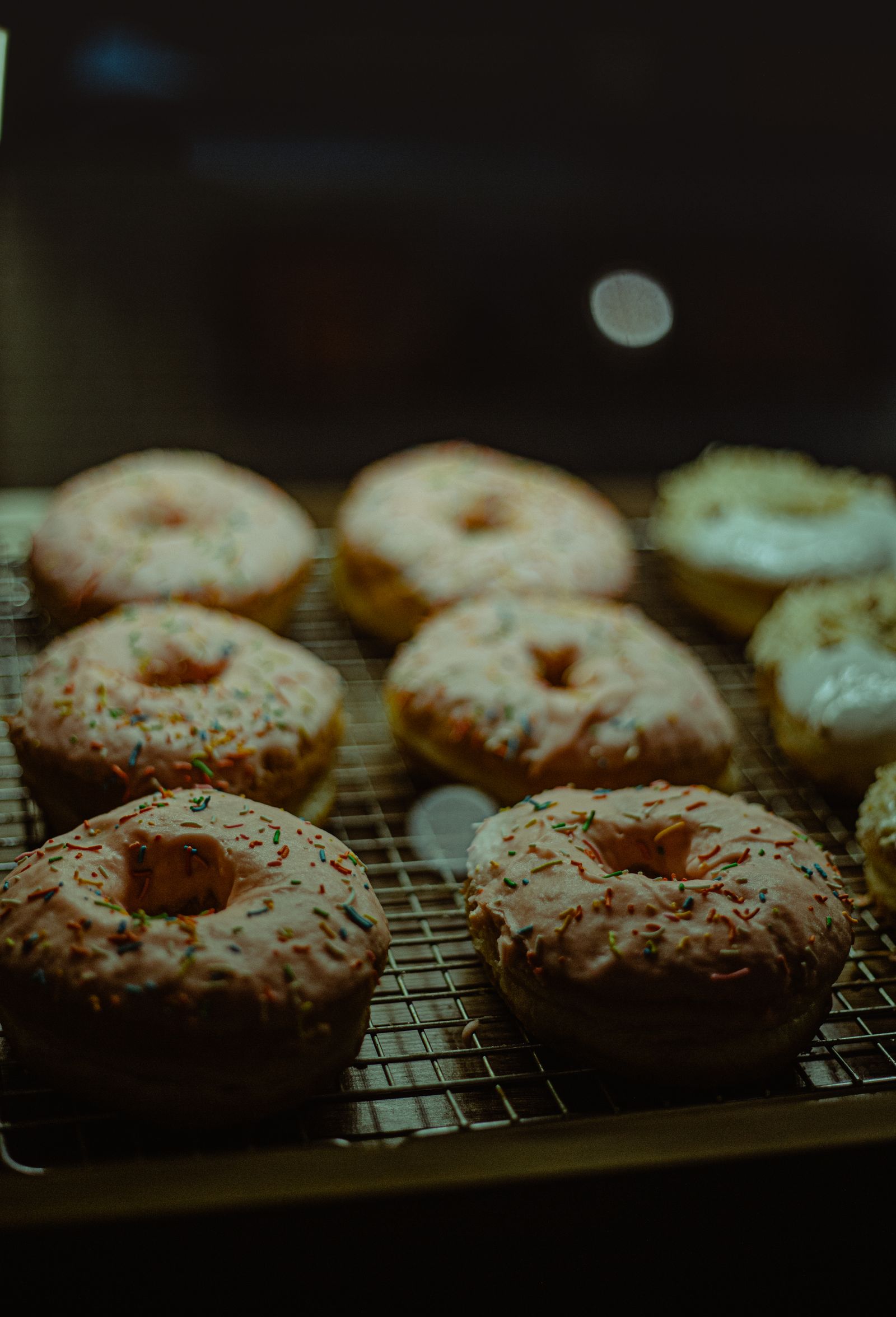
| Glazed yeast ring | Tender all day, softer by evening | Firms and stales fastest of all | Counter, and revive briefly before eating next day |
| Plain or chocolate cake | Holds up best; good into day two | Dries the crumb noticeably | Counter; the sturdiest keeper in the case |
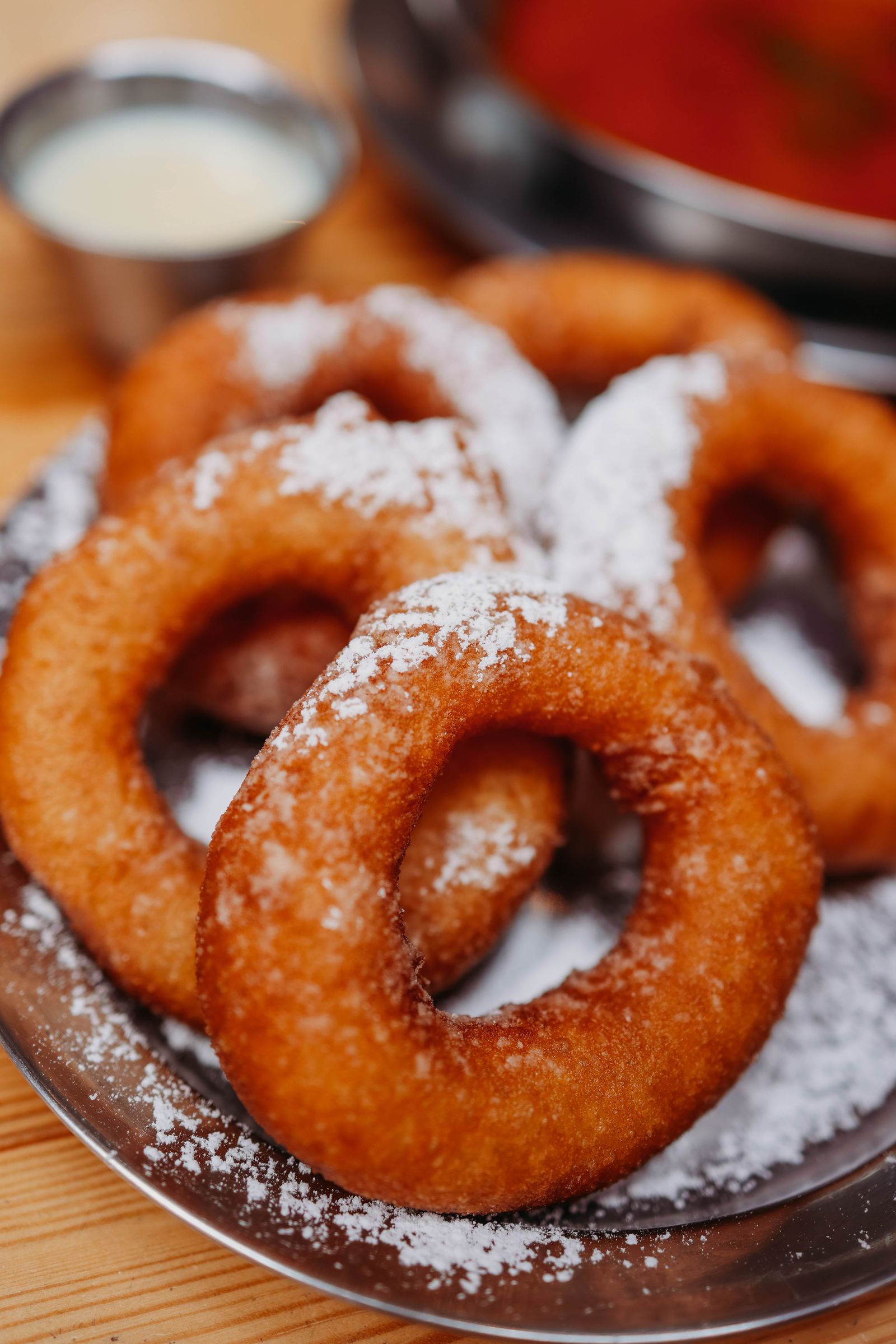
| Powdered or cinnamon sugar | Good same day; coating fades overnight | Coating turns damp and patchy | Counter, and plan to finish the same day |
| Jelly or jam filled | Fine overnight in a cool kitchen | Safe but firms the shell | Counter for a day, fridge beyond that |
| Custard or cream filled | A few hours only | Required for safety past a few hours | Fridge; accept the texture trade-off |
Reviving: the counter's second advantage
Stored on the counter, most donuts revive convincingly. A glazed or cake donut warmed for eight to ten seconds in a microwave, or a few minutes in a low oven, softens its crumb and re-melts its glaze into something close to the morning's version. Refrigerated donuts revive less completely, because the staling refrigeration caused is only partly reversible with heat. The method matters: stop early, let the donut stand a moment, and never re-store a warmed donut for a second round. Powdered donuts are the exception to reviving in general, since heat ruins the coating; eat those at room temperature and eat them first.
Freezing: the third address, with one firm rule
For storage past a day, freezing beats both rivals, but selectively. Plain cake donuts and unglazed yeast donuts freeze well when sealed airtight, and thaw at room temperature in their wrapping so condensation lands on the package, not the donut. Glazed donuts freeze acceptably with a sticky-glaze caveat on thawing. The firm rule is filled donuts: never freeze them. Cream and custard fillings separate and weep as they thaw, jelly turns the interior soggy, and the result is bad enough to make people distrust the freezer for the plain donuts that would have been perfectly fine. Buy filled donuts for the day, store the rest by the table, and the 24-hour rules stop being an argument and start being a routine.
Common questions
Why do donuts go stale faster in the refrigerator?
Refrigeration speeds up starch recrystallization in the crumb, the same process that firms day-old bread. Unfilled donuts keep better texture on the counter for the first day.
Which donuts must be refrigerated?
Custard, Bavarian cream, and whipped cream filled donuts. Their dairy fillings are perishable and should move to the fridge within a few hours, even though the cold firms the pastry.
Can I freeze leftover donuts?
Plain cake donuts and unglazed rings freeze well when sealed airtight. Filled donuts should never be frozen, because their fillings separate and turn the interior soggy on thawing.
Photos in this guide are representative stock images.
← All guides from Davis Donut House← Back to Davis Donut House